
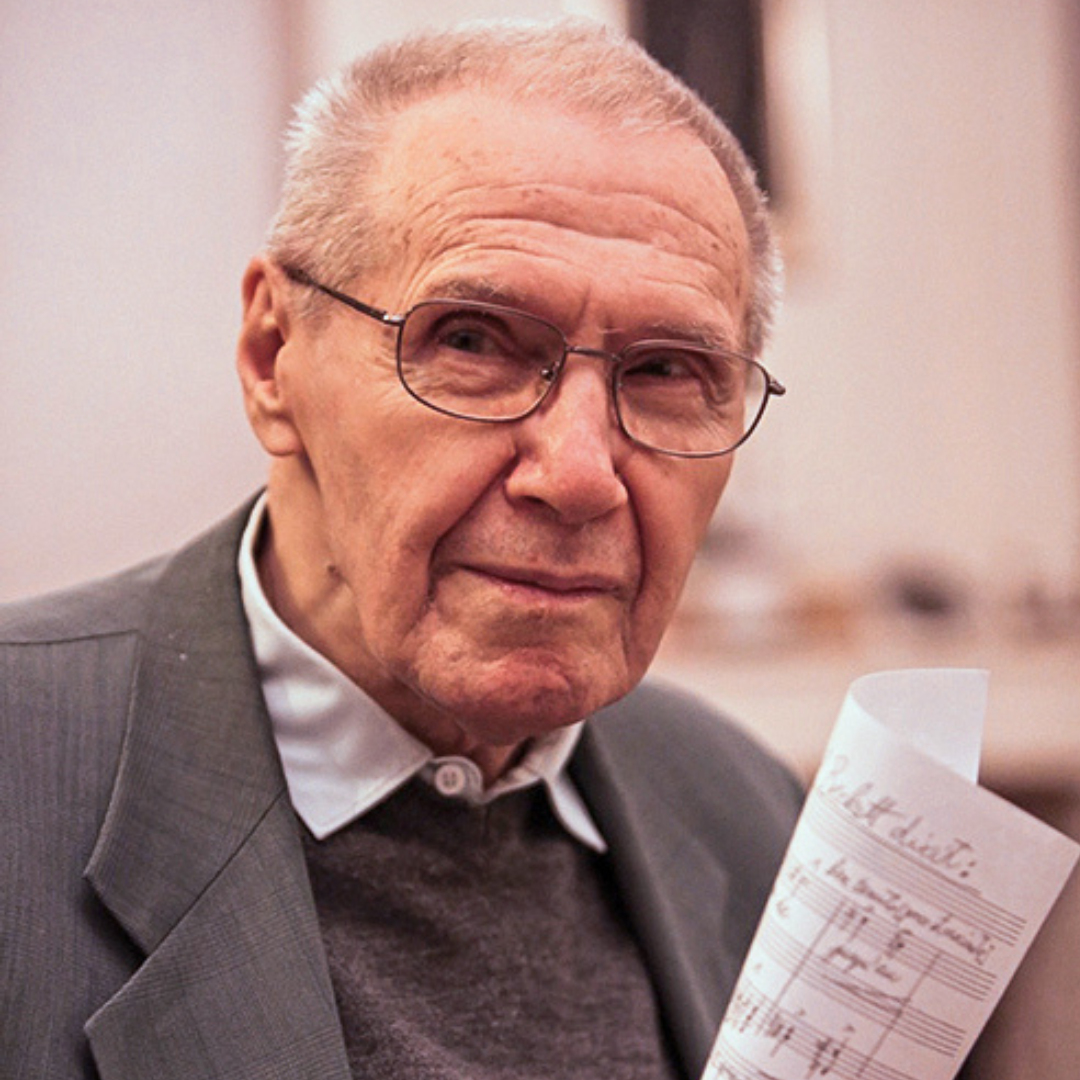
György Kurtág’s music is a fascinating journey into emotional and interpretative freedom, but many singers find it intimidating due to its sparse texture and open-ended interpretative demands. As a vocal coach with years of experience performing Kurtág’s works and collaborating directly with him, I understand the unique challenges his compositions present. Here, I’ll share key techniques to help singers confidently approach Kurtág’s music while preserving vocal health and artistic integrity.
Understand the Text and Context
Kurtág’s vocal works, such as Kafka Fragments, place immense importance on the text. Each note, dynamic marking, and silence is deeply tied to the words and their meaning. Begin by analyzing the text in detail—its emotion, context, and possible interpretations. What story are you telling? How does the music support or contradict the text? Building this connection will help guide your artistic decisions.
Master Subtlety in Expression
Unlike many composers, Kurtág leaves much of the interpretation up to the performer. While liberating, this can feel overwhelming. Focus on subtlety—every shift in dynamic or timbre must feel intentional. Practice singing phrases at varying dynamics, paying close attention to how your tone color changes with each adjustment. This will help you create a palette of expression to draw from during performance.
Work on Precision
Kurtág’s sparse textures demand absolute precision. Work with a metronome to ensure your entrances, rhythms, and pauses are exact. Singers often struggle with the silence in Kurtág’s works—these are as significant as the notes themselves. Embrace the silences as moments of tension, rather than gaps.
Focus on Vocal Health
Kurtág’s compositions often push the voice in unconventional ways, but this doesn’t mean you should strain. Focus on proper breath support, especially during softer dynamics. Warm up with exercises that encourage resonance at low volume, such as humming or singing scales pianissimo.
Interpretation Through Collaboration
Kurtág loved working with performers to bring his music to life. While you may not have direct access to the composer, seek feedback from a trusted coach or fellow musicians. Collaboration will bring fresh perspectives and deepen your interpretation.
Conclusion
With the right techniques and mindset, Kurtág’s music can become a deeply rewarding addition to your repertoire. Remember, this repertoire thrives on emotional honesty and vocal precision. If you’d like to explore Kurtág’s works with guidance, book a lesson today!