
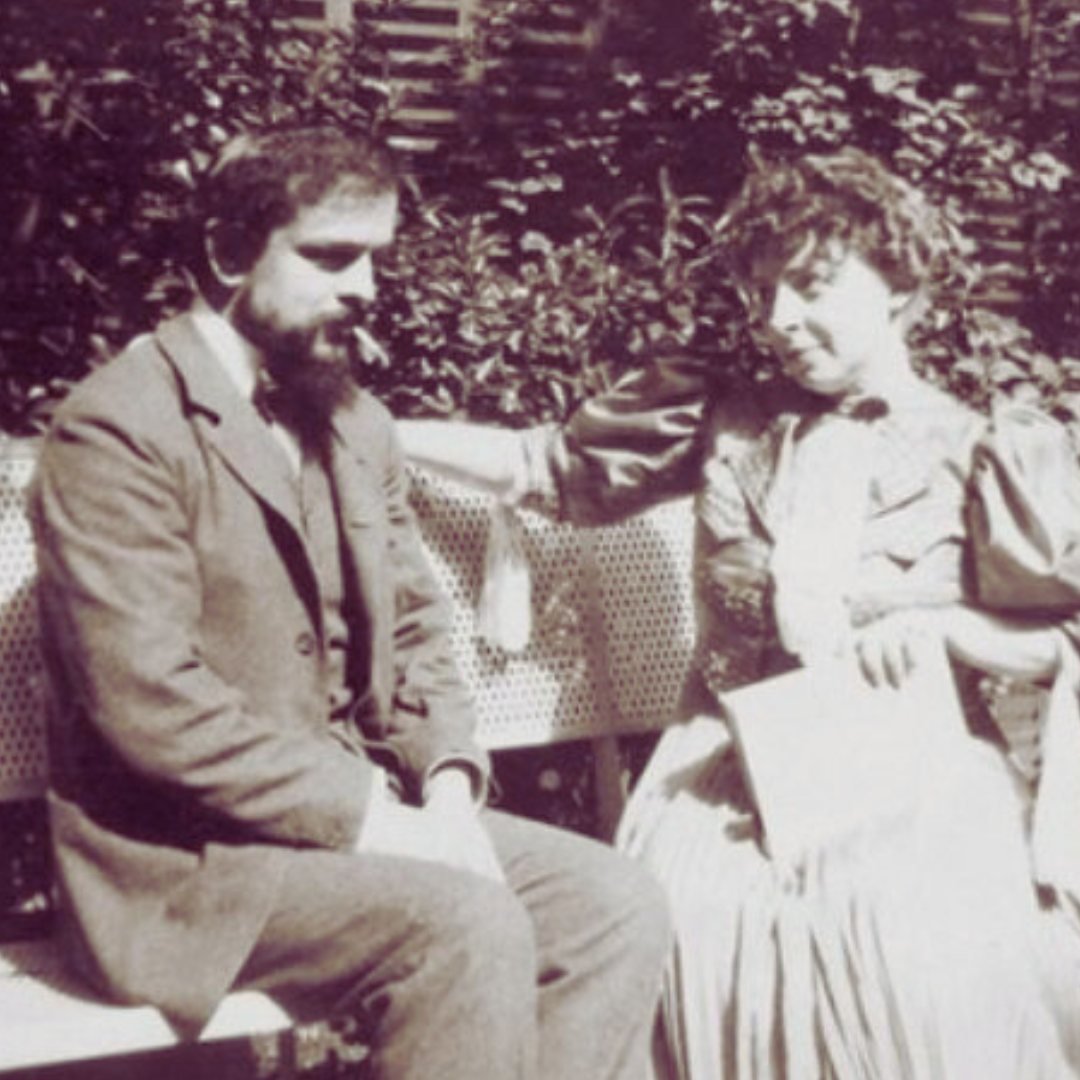
Claude Debussy’s music is a rich tapestry of colors, textures, and emotions. For singers, interpreting his works is less about vocal pyrotechnics and more about evoking sensations—perfumes, whispers, mist, and desire. This guide will help you bring these sensory elements to life while staying true to the poetic and musical intentions of the composer.
Connecting to the Text and Music
Debussy’s choice of poetic texts often mirrors the mood and nuance of his compositions. Begin by immersing yourself in the poetry. What images, feelings, or sensations does the text evoke? Build your interpretation from these impressions, allowing them to guide your vocal phrasing and tone.
Crafting a Sensory Sound
Debussy’s music calls for a subtle, sensual approach. Experiment with dynamics, breathiness, and shifts in tone color to create textures that evoke a tactile or visual experience. Work with your accompanist to ensure that the voice and piano meld seamlessly, as Debussy’s works thrive on balance and interplay.
Staying True to the Score
While Debussy encourages expressiveness, his scores are precise. Pay close attention to markings for dynamics, articulation, and tempo. These instructions are your roadmap to achieving the composer’s intended atmosphere.
Conclusion
Singing Debussy is an opportunity to connect deeply with your audience through evocative storytelling. Ready to master the art of sensory singing? Let’s explore Debussy’s world together—book a lesson today!